
Scroll

Ending Homelessness Would Be Amazing
In the thirty-five years since I returned from experiencing homelessness, I’ve seen thousands of men and women recover and rejoin the ranks of happy, fulfilled humans.
But over the past 10 years, I’ve witnessed more and more people languishing in homelessness, underserved by the institutions we’ve created to help them.
So what did we do wrong?
There have been too many missteps in the 50 years since our modern homelessness crisis began. More than I can cover here but, the more important question is what’s working right now? Over the next few weeks and months, I will write about some of the most effective programs I’ve seen in my time serving unhoused communities in Los Angeles and San Francisco. There are organizations out there providing real solutions, I’ve seen them working, but they’re generally small, underfunded, and don’t have the time or inclination to beat their own drums on social media.
I will do my best to beat those drums for them and show you where your time and energy can make a difference in ending homelessness now and for good.
There I said it. I know it can be done. We can end homelessness forever. If you’re not convinced, you’re in the right place.
Sign up below to join the conversation.
Featured

Part Two of the Nerd Reich series. Curtis Yarvin in his own words on who counts as disposable — and how the same ideology reaches Palantir's federal contracts and California's billionaire-backed megacity, and what it means for housing.
I wish I lived in a world where this book didn't have to exist. But unfortunately it does, and it's important.

The nonprofits holding Los Angeles together are running out of runway — and the problem isn't how hard they're working, it's how they're funded. A look at what's breaking, what's working, and the one question worth asking before you give this year.
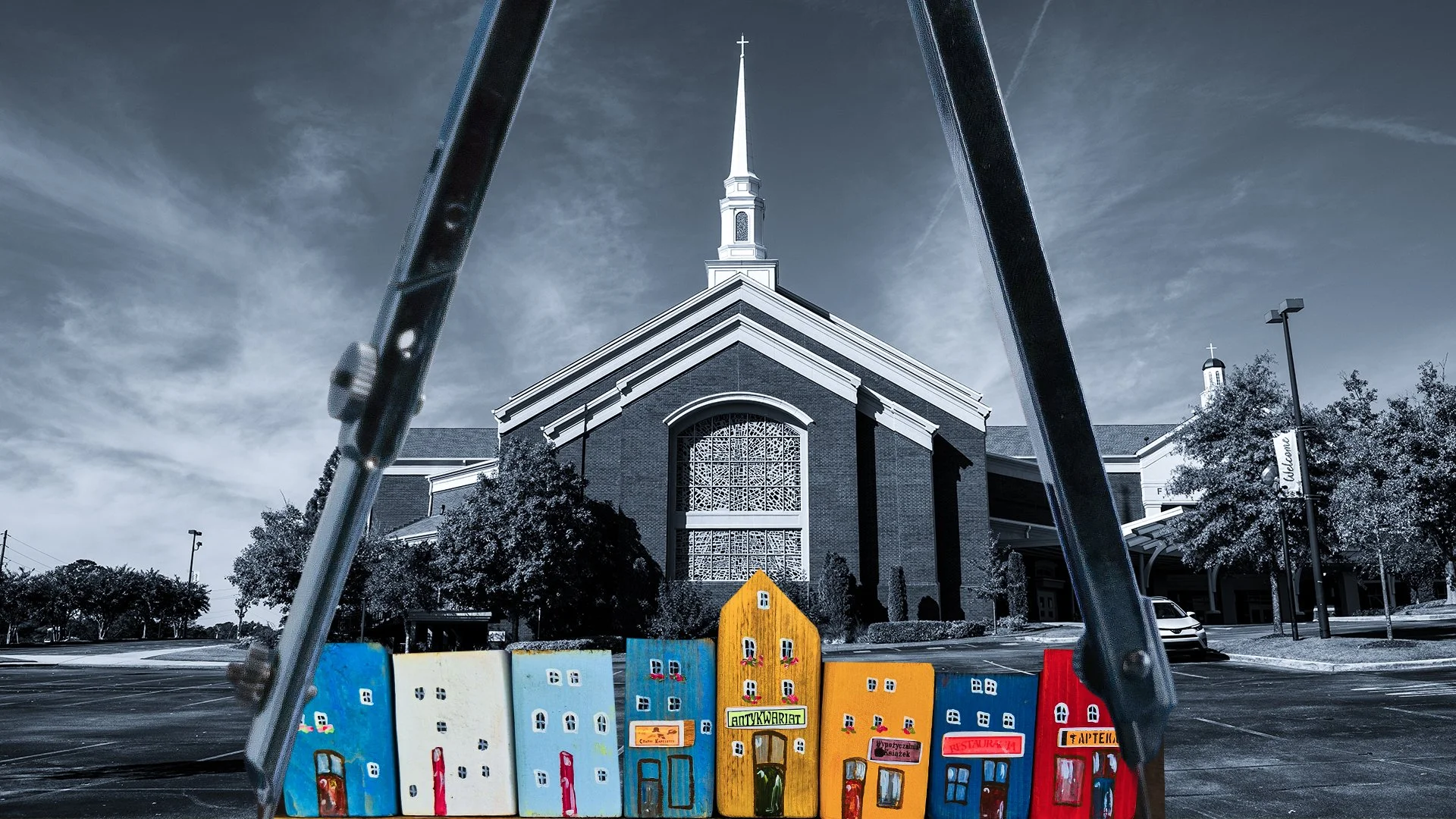
The federal government is dismantling LA's homelessness infrastructure. Meanwhile, a quieter infrastructure keeps growing — community land trusts removing land from speculation, churches building on their parking lots, and senior housing that has held its ground for fifty years. What housed neighbors can do to help it succeed.

The question isn't whether we can afford to invest in housing. It's whether we can afford to keep paying for what happens when we don't.

On June 30, LAHSA filed suit against Trump, HUD, and Secretary Scott Turner over the suspension of its federal homelessness funding. I read the complaint. The evidence HUD cited to justify the suspension doesn't hold up — and 11,423 people are caught in the balance.
HUD cut off LAHSA's federal funding the day the World Cup opened in Los Angeles, citing fraud rather than policy. The legal ground may be sturdier this time — but the subgrantees keeping people housed don't experience the difference.

Four weeks into the Staying Housed series, the World Cup has come and is going. What did Los Angeles show the world — and what do we owe the neighbors who are still here?
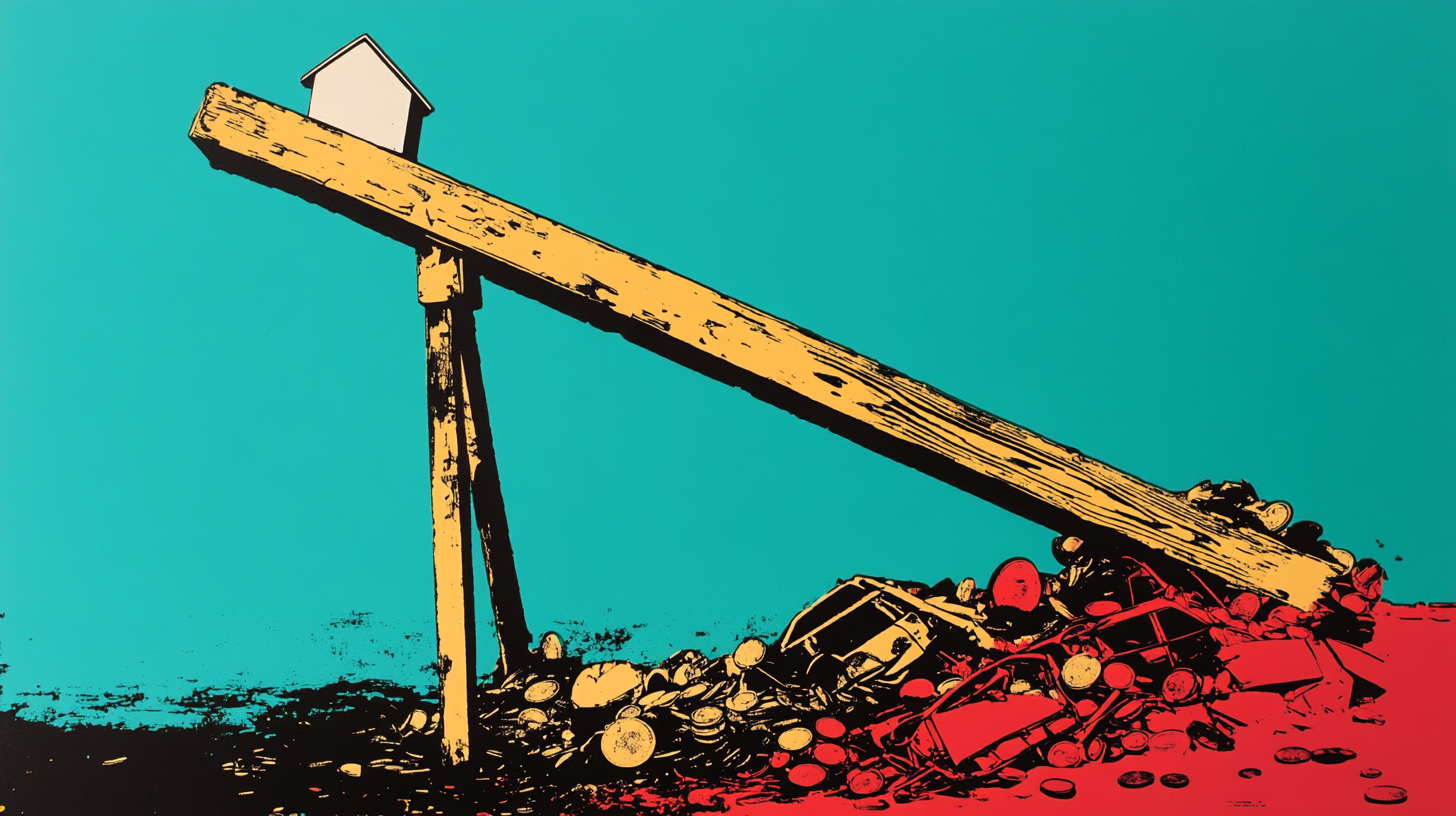
A new study out of Toronto's public housing system modeled five investment scenarios over 25 years. Every dollar invested in public housing returns $2.80 in measurable value. Every dollar withheld costs more than a dollar downstream. The math applies directly to Los Angeles.

The cascade that ends in eviction usually starts somewhere much quieter — sometimes months earlier, in a moment that didn't feel like a crisis at the time. Understanding it is the key to stopping it.
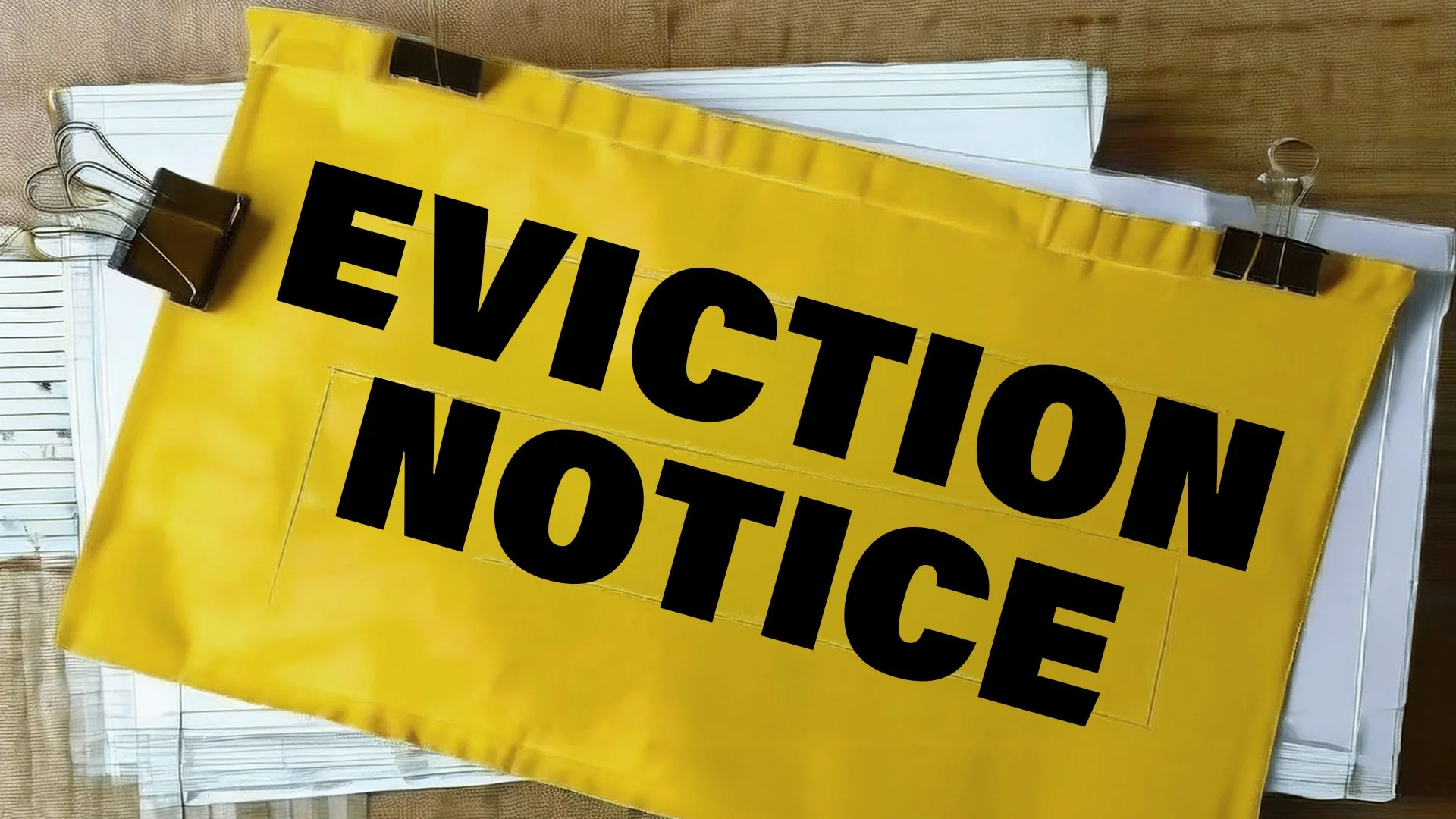
A friend of mine has been holding her household together for almost five months, since the morning ICE took her husband. When the three-day notice arrived, she texted me late at night. The most important thing I told her was this: a three-day notice is not an eviction. And she did not have to leave.
HUD has announced a new NOFO due by June 1 that attempts to reshape nearly $4 billion in federal homelessness funding — while the administration's FY2027 budget proposes eliminating the CoC program entirely. Here's what that means for Los Angeles.
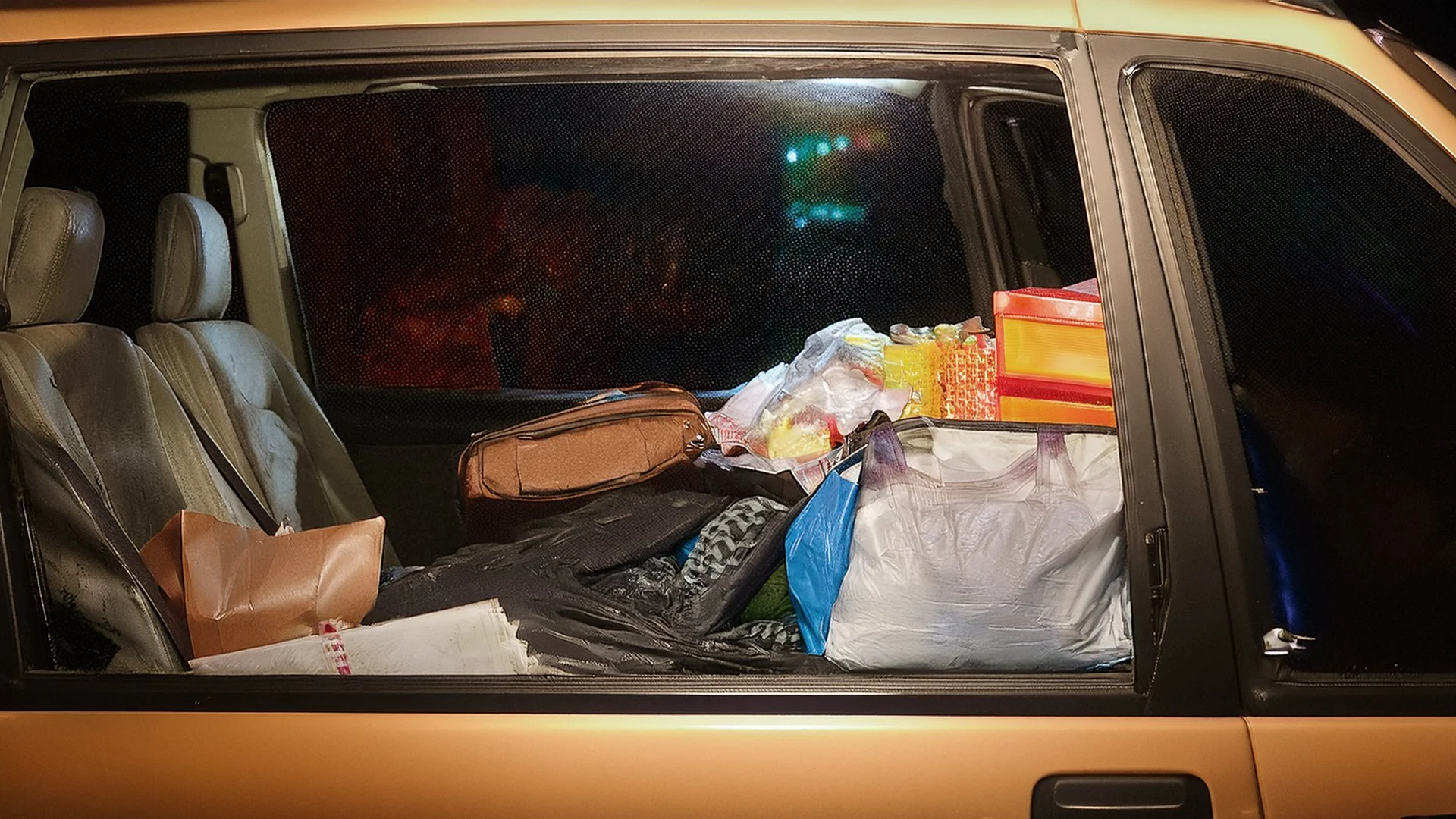
A few years ago, I got on a call with a man named Scott Sale. He had an idea I'd never heard anyone put into practical terms before: what if we used the parking lots that sit empty every night and made them a first stop for people who had lost their housing but still had their car?

The institutional machinery is moving faster than democratic oversight. Here is a specific accountability agenda — addressed to the Board of Supervisors, the City Council, LA28, and the organizations already doing this work — and what to watch for before the World Cup begins June 11.

The LA28 organizing committee has a $7.1 billion budget. The federal government allocated $1 billion for Olympic planning. LA Metro is requesting $2 billion for transit alone. The amount specifically allocated to house residents displaced by Olympic preparations: zero new dollars. This is an article about where the money already exists — and why it isn't being used.

In 2023, a coalition of 80+ organizations formed to document every displacement, every broken promise, every cascading health crisis Paris's Olympic planning caused. They weren't just opponents. They were architects of a better approach. Los Angeles has two years to decide which version of this story it will tell.

On the morning of July 26, 2024, Paris opened its Olympic Games with a ceremony that stretched the length of the Seine. Millions watched. A woman in irregular housing watched from inside a squat she was afraid to leave. What her story tells us about Los Angeles in 2028.

None of these cities has solved homelessness. All of them are making measurable progress with fewer resources than we have.

One thousand young people age out of LA County's foster care system every year. Nearly one in four will experience homelessness by age 23. Manchester found a better way. Why haven't we?

Buenos Aires is not a success story with a neat ending. It's a story about a city making hard choices during an impossible situation — and getting some things right that LA has been getting wrong for years.

Lisbon built a restaurant where people experiencing homelessness do the cooking and serving — and 68% landed permanent jobs. LA has the workforce crisis, the funding tools, and the Olympic deadline. What we're missing is the will to connect the dots.

While Buenos Aires redesigned their entire homeless response system during an economic collapse, Greater Manchester cut rough sleeping by 42% through prevention, and Lisbon is moving people from streets into jobs — Los Angeles approved $843 million in homeless spending that includes nearly $200 million in cuts. The world knows what works. The only thing LA lacks is the will to try.

When federal authorities rescinded protected areas policy in January 2025, LA's shelters stopped being sanctuaries. With up to 40% of the unhoused community undocumented, immigration enforcement isn't just a policy issue — it's driving people deeper into homelessness. This is the documented record.

The FY 2026-27 budget preserves 6,185 interim housing beds, 24,250 permanent supportive housing slots, and key co-design victories including community liaisons and faith-based coordinators. Part 6 of 6 in the series on LA County's Department of Homeless Services and Housing examines what Radical Hope looks like in practice.

LA County's new Department of Homeless Services and Housing budget cut most community co-design proposals. Only 0.05% of the $843 million budget went to community-designed programs. Here's what we proposed, what survived, and why radical hope means continuing anyway.
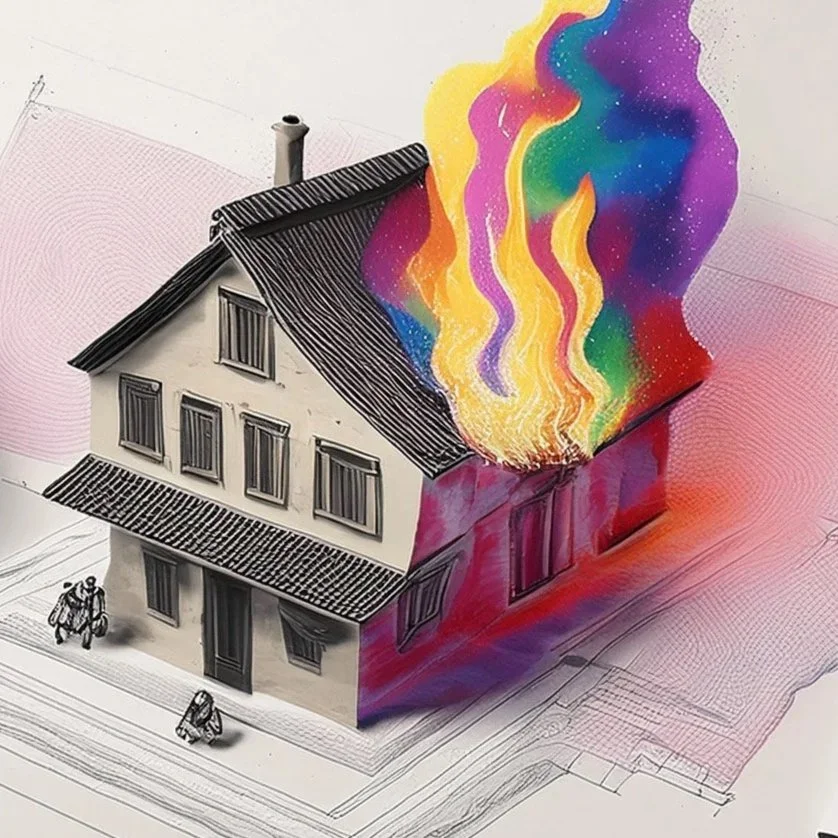
Over two days in September 2025, approximately 100 of us from Service Planning Area 4 gathered to reimagine LA County's homelessness response. We didn't know it then, but we were designing a lifeboat while watching the Titanic sink.

Confronting Minnesota's federal occupation through the lens of family history, James Baldwin, and Ai Weiwei—and why radical hope demands local action now.
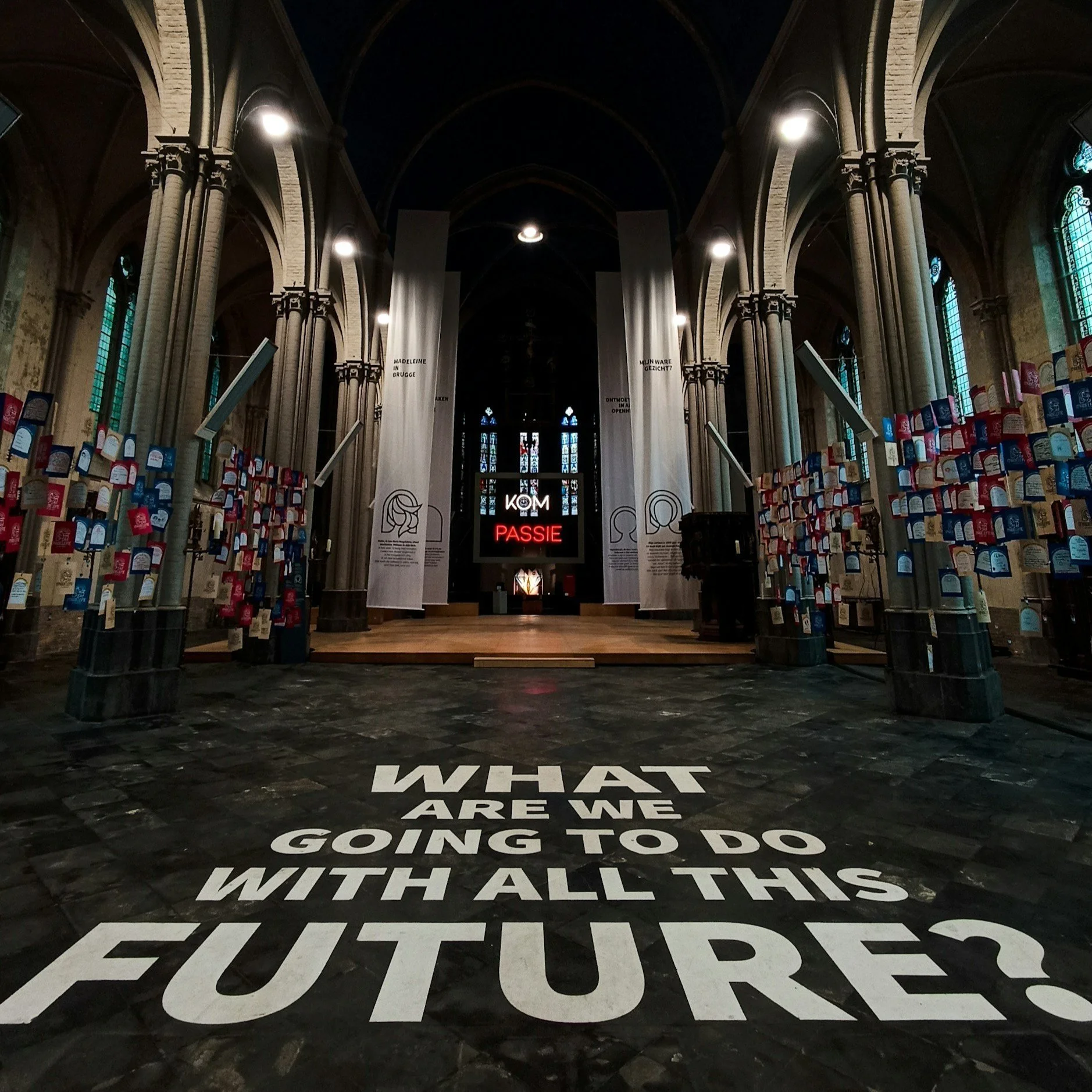
As Los Angeles gears up for the 2026 World Cup and 2028 Olympics, we are faced with a critical decision. The experience of Paris serves as a cautionary tale, highlighting the consequences of prioritizing spectacle over the well-being of the unhoused community. However, it also presents an opportunity to take a different approach - one that turns these events into positive agents of change, rather than catalysts for displacement.

I spent the first 33 years of my life in Minnesota. Watching the fascist ICE raids in a place I know so well has hit me hard. But I stay hopeful—not that things will calm down, but that we were born for times like these.
What HUD's funding fights have already cost Los Angeles, and where the ballot box, advocacy, and community power still hold the line.