
Part 2: Day 2 - The Energy of Creation from Letters to the Housed by Paul Asplund of Second Grace LA
Author's Note: This post reflects my personal observations, notes, and reflections from a collaborative design session I attended. It represents my interpretation of the presentations and discussions, not an official record. Any errors or omissions are my own. The views expressed are mine and do not represent ChangeWell, LA County, or any affiliated organization.
If you remember from last week, around 100 people from across the services matrix in SPA 4 gathered to address five critical design areas:
Strategies to Reduce Disparities - How to address racial and demographic inequities
Foundations for Success - Supporting all service providers regardless of size
Feedback and Ongoing Co-Design - Ensuring transparency and accountability
Collaboration and Partnerships - Breaking down silos between agencies
Systems & Systems Performance - Creating transparent pathways from outreach to housing
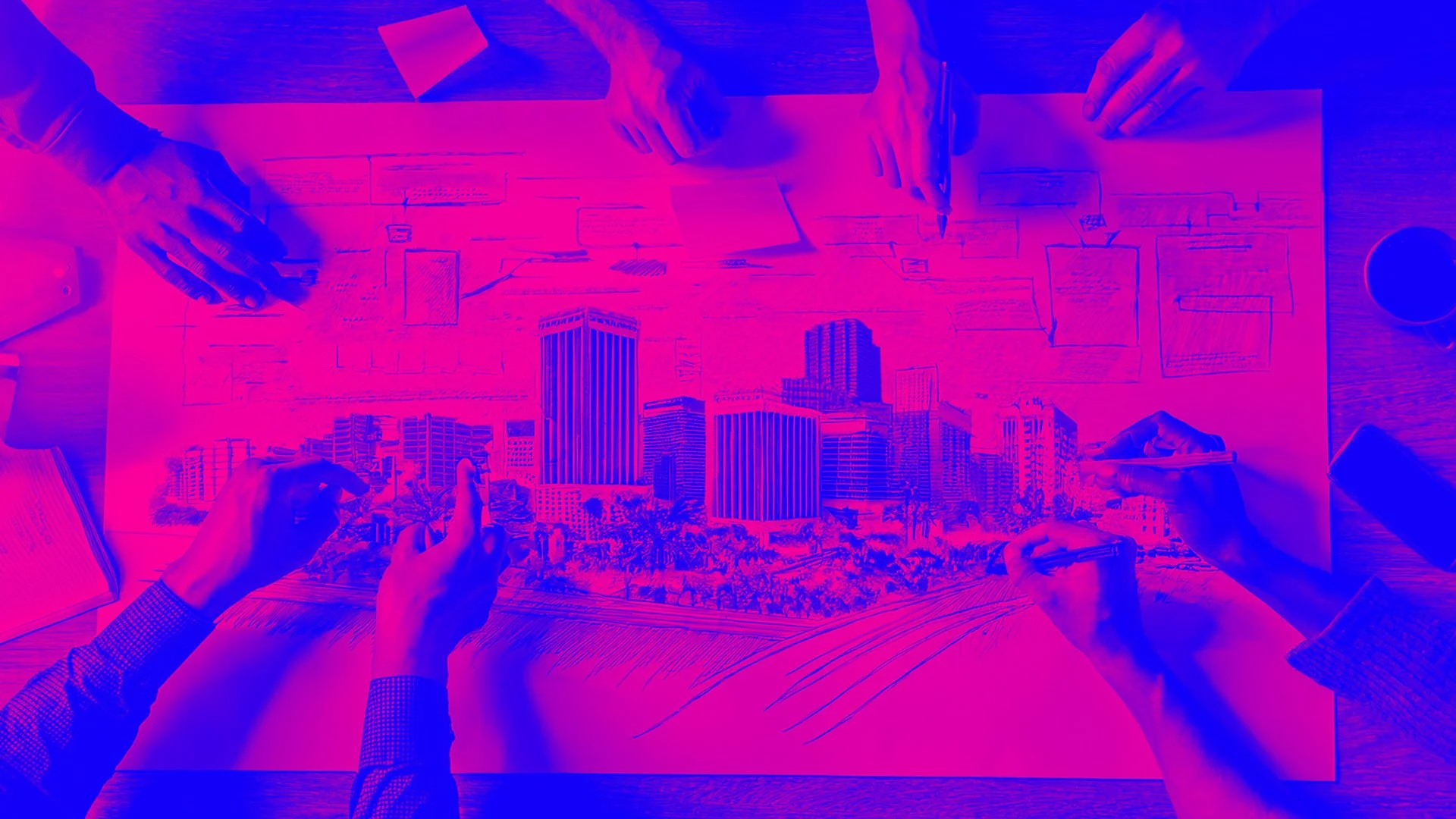
Each of us chose the question we felt most strongly about. Day 1 was all about broad concepts and big dreams. Some teams broke into smaller groups to work in detail on trickier problems. Day 2 was spent working on our prototypes: concept, illustrations, presentation boards. By late afternoon everyone was focused on honing each idea, reducing broad concepts into just a few lines of text. We only had 4 hours before we would break for lunch, then gather for presentations.
Many folks either skipped lunch or took it at their working tables. People were writing furiously, transcribing collections of sticky notes onto larger paper. The quiet hum of creation took over the room, teammates whispered encouragements.
The Presentation Room
Then it was showtime.
Large sheets of sticky-paper spread across the walls, all covered in handwritten notes, flowcharts, and the fingerprints of genuine collaboration. These were blueprints for a system, crafted by people who cared enough to spend two days going through the process, that could affect tens of thousands of people experiencing homelessness across Los Angeles County.
Each design group took turns presenting their prototypes. Six teams. Six different approaches. But as I listened, I wasn't surprised that the prototypes were united by common themes: breaking down information silos, centering lived experience as expertise, making power visible, and treating data as belonging to the people it describes rather than the systems that collect it.
The Patterns That Emerged
Three themes appeared in prototype after prototype:
Data ownership and accessibility. Multiple teams recognized that information systems currently serve everyone except the people they're supposed to help. Whether through digital platforms, transparent matrices, or accessible toolkits, teams consistently proposed giving people direct access to their own information without bureaucratic gatekeepers.
Breaking down silos. Like the collaborative partnership model at SecondGrace.LA, nearly every prototype addressed fragmentation—between county departments, across service delivery areas, among providers competing for resources. The solutions ranged from formal partnership structures to shared communication platforms to cultural liaisons who could navigate multiple systems.
Power-sharing with lived experience. Rather than treating community input as advisory, prototypes embedded people with lived experience as equal decision-makers. Teams recognized that genuine equity requires equal votes on funding decisions, co-leadership of community engagement, and direct participation in system design.
These weren't abstract principles. They showed up in concrete proposals with timelines, success metrics, staffing plans, and budget requirements.
What Made These Different
As the final presentation concluded and teams gathered for design school graduation photos, the room buzzed with a particular kind of energy. It was Radical Hope, grounded and fierce: the determination of people who've named the problems clearly, proposed concrete solutions, and now intended to fight for their implementation. It was beautiful to be part of.
These weren't typical consultant recommendations or academic policy papers. They were working documents covered in handwritten notes and the fingerprints of genuine collaboration—crafted by people who know the system's failures intimately because they've lived them, worked in them, or witnessed their impacts daily.
Three qualities distinguished this work:
Specificity. Rather than vague calls for "improved coordination" or "better data systems," prototypes included implementation timelines, success metrics, staffing requirements, and critical assumptions.
Integration. Teams recognized their prototypes didn't exist in isolation. Data systems needed adequate provider contracts. Cultural competency work needed partnership structures. Community events needed information access tools. Success required all pieces moving together.
Recognition of limitation. Every prototype included "critical assumptions"—preconditions that would need to be true for the design to work. Almost universally: funding must be available, political will must exist at leadership levels, staff capacity must be built or hired, systems integration must be technically possible, community participation must be sustained.
The Process Continues
The prototypes will move forward to virtual report-backs in November, then regional synthesis sessions. Eventually they'll reach the leadership of LA County's new Department of Homelessness Services and Housing. Some ideas will be adopted quickly. Others will take years or might never happen at all.
But the process itself created something valuable: a community of designers who now see themselves as architects of the system, not just participants in it.
I'll share the detailed recommendations after the community feedback sessions in November. The specific prototypes deserve their own article, and the county's process of gathering broader community input should complete before I detail what emerged from our room.
But first, I want to explore what happened in the margins—the deeper conversations about capitalism, revolution, and what it means to design within a broken system. Because the most revealing moments didn't happen during structured presentations. They happened over breakfast tacos and in parking lot conversations when people spoke freely about what we're really trying to change.
Next week: The philosophical fault lines that ran beneath all the practical proposals.
Related Reading:
Part 1: Building Solutions from the Ground Up - Inside LA's Homelessness Design Lab
The Data Ownership Revolution in Homeless Services
Breaking Down the Homelessness Industrial Complex
Connect with Second Grace LA:
Support: https://www.gofundme.com/f/fuel-hope-with-second-grace-la-this-giving-tuesday
All Links: https://linktr.ee/secondgracela
#HSH #LACounty #DesignLab #DataOwnership #LivedExperience #SystemicChange #CommunityCoDesign #RadicalHope #HomelessServices #ServiceCoordination